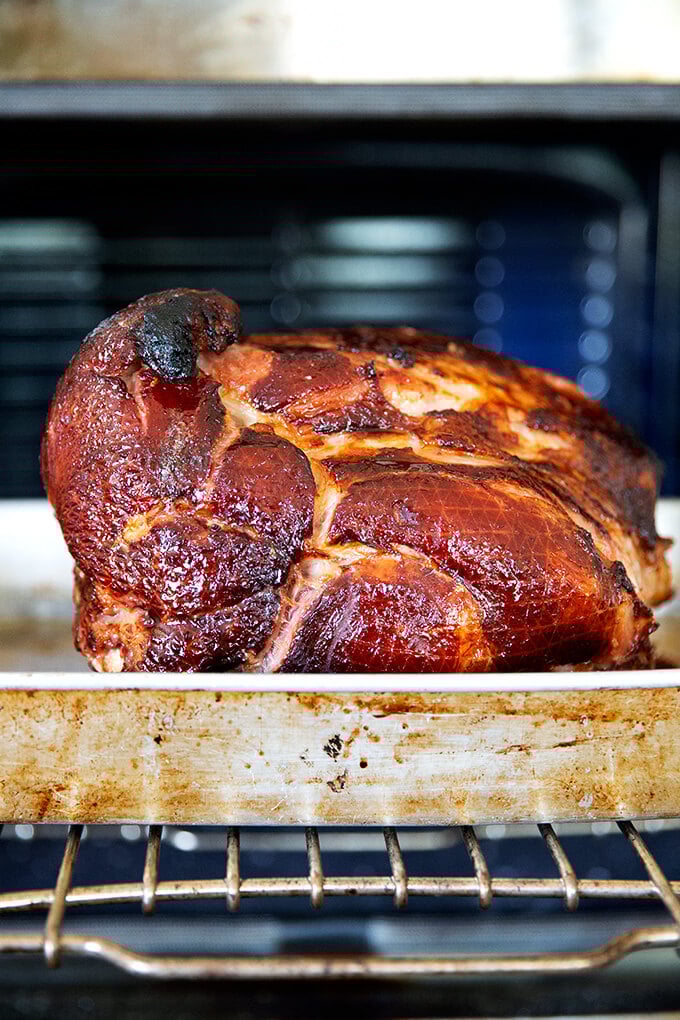
The Secret to a Perfectly Juicy Baked Ham: It Starts with Quality and Ends with a Sticky Glaze
There's a reason baked ham holds a coveted spot on holiday tables and at family gatherings. Its rich, savory flavor, tender texture, and impressive appearance make it a true showstopper. But the quest for that perfectly juicy ham, complete with a glistening, sticky-sweet crust, can often feel daunting. Many believe it requires intricate scoring, studding with cloves, or a secret family recipe passed down through generations. The truth, however, is far simpler. The real secret to a spectacular, juicy baked ham lies in two fundamental elements: starting with a high-quality ham and finishing it with a foolproof brown sugar glaze.
Forget the complexities. This guide will walk you through creating a truly unforgettable simple baked ham with brown sugar glaze that is not only incredibly delicious but also surprisingly easy to prepare. Whether it's Easter Sunday, Christmas dinner, or a cozy weekend feast, this recipe promises a tender, richly flavored ham that will impress every guest.
The Unveiled Secret: Why Quality Ham Reigns Supreme
Before you even think about glazes or cooking techniques, understand this foundational truth: the quality of your ham dictates the quality of your final dish. As culinary wisdom often suggests, "If you buy a good one, you’ll bake a good one. If you buy a bad one, you won’t." No amount of scoring, studding, or even the most delicious glaze can transform a subpar ham into a culinary masterpiece.
Unlike raw meats that can be significantly improved through marinades or brining, most hams available to consumers are already cured and pre-cooked. Your primary role in the kitchen isn't to infuse it with flavor (which has largely been done already), but rather to gently heat it through, ensuring it remains moist and develops that irresistible exterior. This means the inherent flavor and texture are already locked in when you make your purchase. If the ham isn't flavorful to begin with, no glaze will penetrate deeply enough to save it; the glaze primarily affects the outer layer.
Choosing the Right Ham: What to Look For
To ensure success, prioritize purchasing ham from a reputable source. Look for brands known for their quality, or visit a local butcher. Here’s what to consider:
- Bone-In vs. Boneless: Bone-in hams often yield more flavor and stay juicier due to the bone marrow. Boneless hams are easier to carve and serve. For this simple baked ham recipe, either will work, though bone-in is often preferred for presentation and flavor.
- Half or Whole Ham: This depends on your crowd size. A half ham (typically 7-10 lbs) is perfect for smaller gatherings, while a whole ham (13-20 lbs) is ideal for larger feasts.
- Spiral-Cut vs. Whole: Spiral-cut hams are convenient as they are pre-sliced, making carving a breeze. However, they can dry out more easily if not cooked carefully. A whole ham gives you more control over moisture. Our technique works beautifully for both.
- Cured vs. Uncured: Most hams are "cured" (salt, sugar, and sometimes nitrites) for preservation and flavor. "Uncured" hams are typically cured using natural ingredients like celery powder. Both are delicious, but cured hams are more traditional for glazed ham recipes.
Invest in the best ham your budget allows, and you'll be halfway to a spectacular holiday centerpiece.
Mastering the Glaze: Beyond Just Sweetness
While the ham itself provides the core flavor, the brown sugar glaze is what transforms it into a truly festive and visually stunning dish. This sticky-sweet coating caramelizes beautifully, creating an irresistible crust that clings to every juicy slice. But a great glaze offers more than just sweetness; it balances richness with brightness, and adds layers of complex flavor.
The Anatomy of a Perfect Brown Sugar Glaze
A classic brown sugar glaze is typically a simple combination of brown sugar, a liquid (often citrus juice, pineapple juice, or water), and a few complementary spices or condiments. Here’s what makes it sing:
- Brown Sugar: The star. Dark brown sugar will provide a deeper, molasses-like richness, while light brown sugar offers a milder sweetness.
- Brightness: Citrus elements are crucial to cut through the richness of the ham and the sweetness of the sugar. Orange juice, pineapple juice, or even a splash of apple cider vinegar can add that vital tang.
- Aromatic Spices & Savory Notes: For depth, consider additions like Dijon mustard or whole-grain mustard (which also acts as an emulsifier), ground cloves, cinnamon, nutmeg, or allspice. A touch of ginger can also add a subtle warmth. Honey or maple syrup can further enhance the sticky sweetness.
The beauty of a brown sugar glaze is its versatility. You can customize it to your taste, adding a dash of bourbon for sophistication, a pinch of cayenne for a subtle kick, or more citrus for extra zing. The key is to achieve a consistency that's thick enough to cling to the ham, but still spreadable.
Foolproof Baking Technique: Moisture, Heat, and Caramelization
Once you have your quality ham and your dazzling glaze, the baking technique is the final piece of the puzzle. The goal is to heat the ham gently to prevent drying, then finish with a burst of high heat to create that coveted caramelized crust. This simple method ensures both a moist interior and a beautifully burnished exterior.
The Low-and-Slow Start for Ultimate Juiciness
The first half of the baking process focuses on moist heat. This prevents the ham from drying out as it comes up to temperature.
- Prepare the Pan: Place your ham in a sturdy roasting pan. Pour about 1/2 to 1 cup of water or even some apple cider or pineapple juice into the bottom of the pan. This creates a steamy environment that keeps the ham moist.
- Cover and Cook: Tightly cover the roasting pan with aluminum foil. This traps the moisture, essentially steaming the ham as it bakes.
- Initial Baking: Bake the ham at a moderate temperature, around 300-325°F (150-160°C). A general rule of thumb for pre-cooked ham is to bake for about 10-15 minutes per pound, or until the internal temperature reaches 130°F (54°C) using a reliable meat thermometer. For a 13-pound ham, this might be around 1 hour 45 minutes to 2 hours.
During this stage, there's no need for scoring or studding with cloves. These are purely aesthetic choices and do not contribute to the ham's moisture or tenderness, as confirmed by experts.
The High-Heat Finish for a Sticky, Golden Crust
The final stage is where the magic happens, transforming your simple baked ham into a glazed masterpiece.
- Uncover and Increase Heat: Once the ham reaches the desired internal temperature (around 130°F / 54°C), remove the foil and increase the oven temperature significantly, to about 400-425°F (200-220°C).
- Generous Glazing: Liberally brush your brown sugar glaze over the entire surface of the ham. Don't be shy!
- Caramelization: Continue baking at the higher temperature for another 20-30 minutes, re-glazing every 10-15 minutes. This allows the sugars in the glaze to caramelize, creating that glossy, sticky-sweet crust. Watch it carefully to prevent burning; if the glaze starts to darken too quickly, you can loosely tent it with foil.
- Final Temperature: The ham is ready when the internal temperature reaches 135-140°F (57-60°C) and the glaze is beautifully burnished and sticky.
Resting, Carving, and Serving Your Masterpiece
Once baked, the work isn't quite done. For the most tender and juicy results, always rest your ham. Remove it from the oven, tent it loosely with foil, and let it rest for at least 15-20 minutes (or up to 30 minutes for a larger ham). This allows the juices to redistribute throughout the meat, ensuring every slice is as succulent as possible.
Carving a bone-in ham can seem daunting, but it's straightforward. Place the ham flat on a cutting board. Make a few vertical slices down to the bone, then rotate the ham slightly and slice horizontally along the bone to release the slices. For a spiral-cut ham, simply slice around the bone to free the pre-cut pieces.
Serve your simple baked ham with brown sugar glaze as the star of your meal, accompanied by classic sides like roasted potatoes, green bean casserole, creamy mashed potatoes, or a vibrant salad. The sweet and savory notes of the ham pair beautifully with a wide array of flavors, making it a truly versatile centerpiece for any occasion.
Conclusion
Achieving a perfectly juicy baked ham with a sticky brown sugar glaze isn't about complexity; it's about smart choices and simple techniques. By prioritizing a high-quality ham from the outset, employing a moist-heat cooking method, and finishing with a generous, caramelizing glaze, you can effortlessly create a dish that's both tender and bursting with flavor. This foolproof approach ensures that your holiday table or special gathering will feature a truly spectacular ham, leaving you with more time to enjoy the company of your loved ones and bask in the delicious success of your culinary efforts.
